The house on Cedar Street was the only thing our father left behind. And it nearly destroyed our family.
There were three of us. Me, Samir, the oldest. My brother Tarek, two years younger. And our little sister Hala, the baby of the family, who was thirty now but would always be the baby to us.
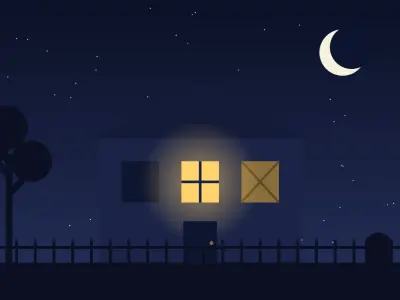
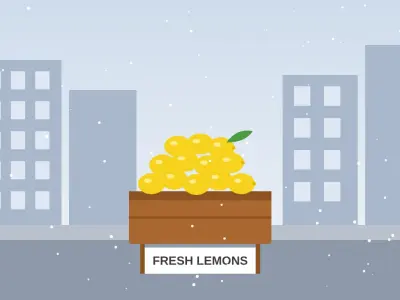
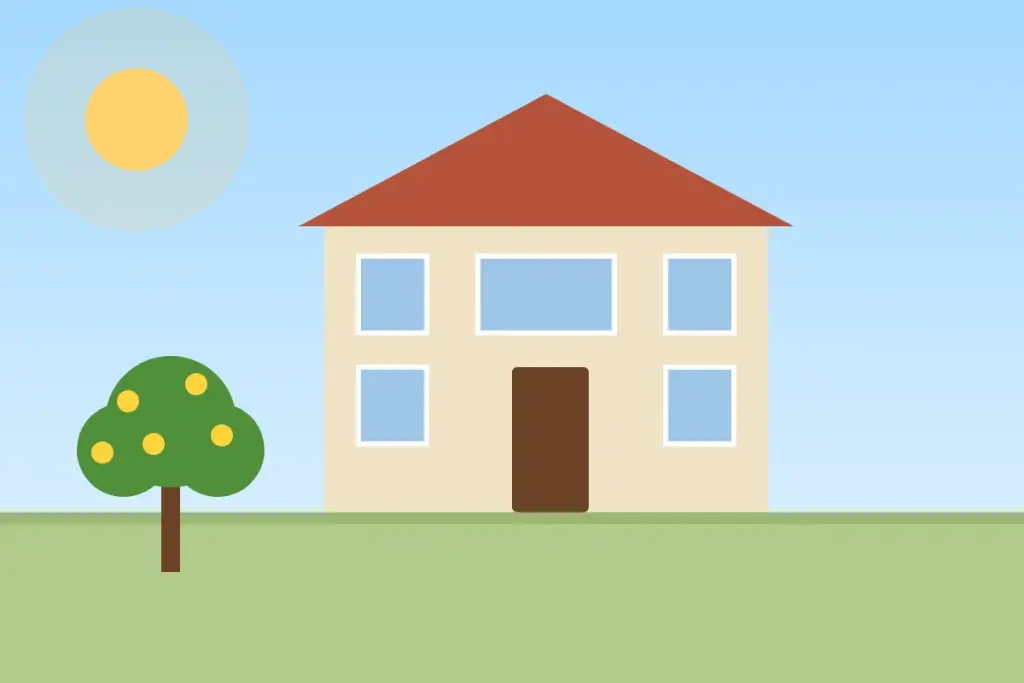
Our father died in the spring. He was a quiet man who fixed watches in a small shop for forty-two years. He never had much money. But he had the house, the old two-story house where we all grew up, with the lemon tree in the yard and the creaky third step on the stairs.
Three weeks after the funeral, we sat in a lawyer’s office, and everything fell apart.
* * *
“Your father did not leave a will,” the lawyer said. “So the house will be divided equally between the three of you. You can keep it together, or sell it and share the money.”
“We sell it,” Tarek said at once.
I stared at him. “Sell it? It’s Dad’s house. It’s our house.”
“It’s an old house that needs a new roof,” Tarek said. “I have two kids and a loan on my apartment. I need that money, Samir. Not everyone has a nice office job like you.”
“Don’t make this about money,” I said.
“It’s always about money for people who don’t have any,” he said coldly.
Hala sat between us and said nothing. She had moved back into the house two years earlier, to take care of our father when he got sick. She was the one who cooked for him and drove him to the hospital and sat with him at night. Tarek and I visited on weekends. Sometimes.
“Hala,” I said. “What do you want?”
She looked at her hands. “I don’t want to fight,” she said quietly.
We fought anyway.
* * *
For three months, Tarek and I did not speak. Our wives stopped calling each other. Our children, who used to play together every holiday, did not see each other at all. When I thought of my brother, I felt something hard and cold in my chest.
Hala tried to make peace. She called me. She called Tarek. She invited us both for dinner. We both said no.
Then, in August, she called me with a different voice.
“Samir. You need to come to the house. Both of you. I found something.”
“If Tarek is coming, I’m not.”
“Please,” she said, and her voice broke. “Please. For Dad.”
* * *
Tarek was already there when I arrived. He was standing by the lemon tree with his arms crossed. We did not say hello.
Hala led us inside and up the stairs. I stepped over the creaky third step without thinking. So did Tarek. For a second our eyes met, and I almost smiled. Then I remembered I was angry.
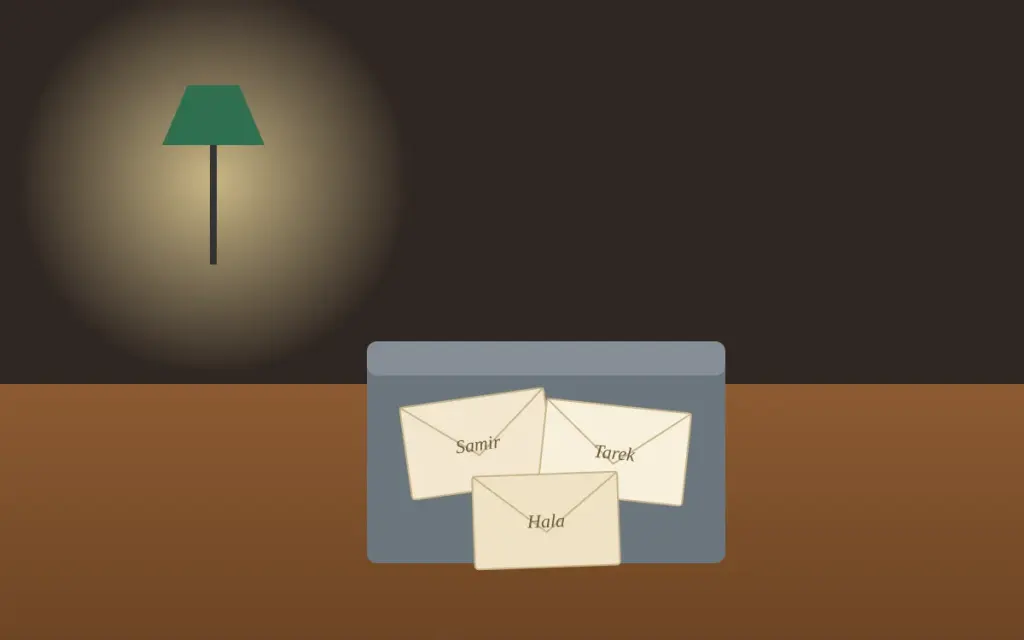
She took us into our father’s small workroom at the back of the house. On his old wooden desk, under the lamp, was a metal box.
“I found it behind the books,” Hala said. “When I was cleaning.”
Inside the box were three envelopes. One said Samir. One said Tarek. One said Hala. Our father’s careful, tiny handwriting. The handwriting of a man who spent his life looking at small things.
We opened them at the same time.
* * *
Mine said:
Samir, my first son. You were always the responsible one. You carried too much, even as a boy. I know you will want to keep the house, because you are afraid of losing the past. But a house is only walls. Your brother is your past. Do not lose him for a building.
I read it twice. My eyes were burning. I looked at Tarek. He was holding his letter with both hands, and his face was wet.
“What does yours say?” I asked. My voice sounded strange.
He read it out loud, slowly.
Tarek, my second son. You always felt you had to fight for everything, because your brother was first. You were never second to me. I know life has been hard for you. If you need to sell the house, sell it, and do not feel guilty. But share what is left with your sister fairly, because she gave me her time, and time is worth more than money.
Tarek put the letter down. He could not continue.
We both turned to Hala. She was holding her letter against her chest. She did not read it out loud. She just said, “He asked me to forgive you both. For not being here at the end.”
The room was silent. Outside, a bird was singing in the lemon tree.
“Do not lose him for a building.”
* * *
I don’t know who moved first. Maybe it was me. Maybe it was Tarek. But suddenly my little brother and I were holding each other in our father’s workroom, two grown men crying like boys, saying sorry, sorry, sorry, again and again.
Hala put her arms around both of us.
“Dad knew,” she whispered. “He knew exactly what we would do.”
* * *
We did not sell the house in the end. And we did not keep it the way I wanted either.
Tarek and I paid for the new roof together. Then we gave the house to Hala. All of it. She had lived there with our father through the hardest days, and it was right that it was hers. Tarek did not have much money, but he insisted on paying his half of the roof, even if it took him two years.
“Dad said I wasn’t second,” he told me. “So I’m not going to act like it.”
Now, every holiday, we all come back to the house on Cedar Street. The children play under the lemon tree. Our wives cook together in the old kitchen. And every time Tarek and I walk up the stairs, we both step over the creaky third step at exactly the same time.
We never fixed it. We never will.
Families rarely break over big things. They break over pride, one small silence at a time. Sometimes it takes a few words from someone we lost to remind us what really matters.