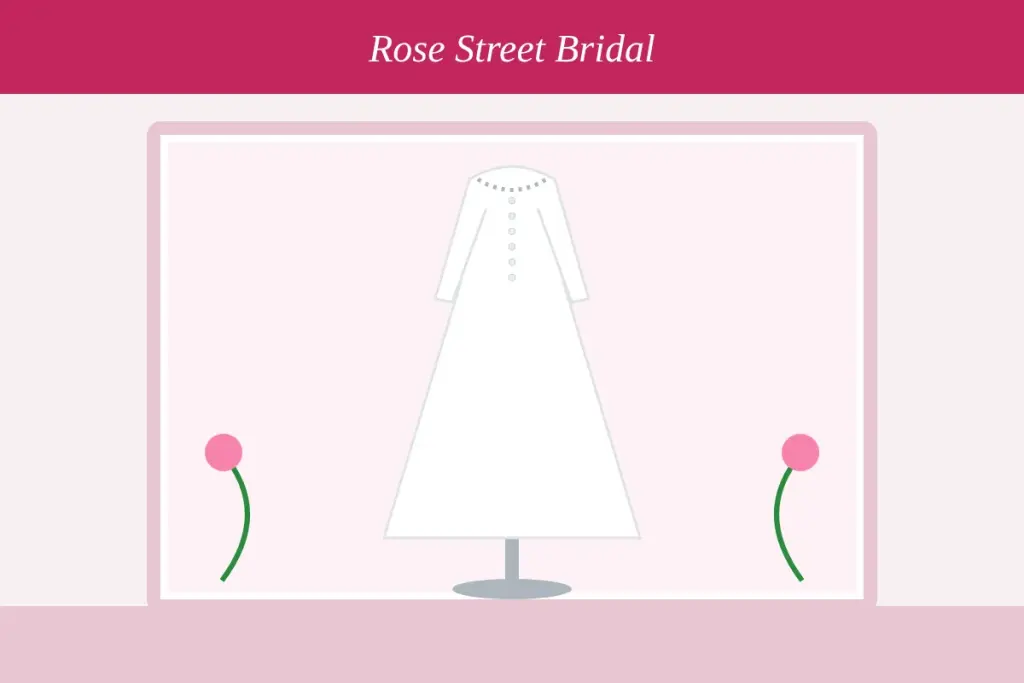
Amira saw the wedding dress in the window of a small shop on Rose Street, and for one second, she forgot how to breathe.
It was simple. Soft white fabric, long sleeves, small pearl buttons down the back, and fine silver embroidery around the neck, like frost on a window. It was not the most expensive dress in the city. But it was the most beautiful thing she had ever seen.
Then she saw the price tag, and she started breathing again. Quickly. And she walked away.
Her wedding was in two months. And her family did not have that kind of money.
* * *
Amira was twenty-four. She worked at a pharmacy, and in the evenings she helped her mother sew clothes for neighbors to earn extra money. Her father had been sick for a year with a bad back and could not work. Every month, they counted every coin.
The man she was going to marry was named Zaid. He was a quiet, serious teacher of mathematics, with gentle eyes and a laugh that surprised people because it was so loud. His mother had seen Amira at a neighbor’s wedding, helping in the kitchen, carrying trays for the old women first and laughing with the children. She went home and told her son, “That one has a good heart.”
The families met. Zaid and Amira talked, always with family nearby, over many weeks of visits and long conversations. They talked about books, about their dreams, about the kind of home they wanted. Slowly, carefully, respect turned into something warmer.
When he asked for her hand properly, with his parents beside him, her father said yes before Amira did. Then everyone laughed, and Amira said yes too.
* * *
But now, two months before the wedding, she was worried.
“I’ll make my own dress,” she told her mother. “We have the machine. I can find cheap fabric.”
Her mother looked at her with sad eyes. “You’ll be working at the pharmacy all day and sewing for the neighbors all night. When will you sew your own dress?”
“I’ll find time,” Amira said. But she knew her mother was right.
Every day on her way to work, she walked past the shop on Rose Street. Every day, she looked at the dress in the window for exactly three seconds. Then she made herself look away.
* * *
One afternoon, Zaid’s mother, Mrs. Salma, came to visit. She sat with Amira’s mother in the kitchen, drinking coffee, while Amira was at work.
“How are the wedding preparations?” Mrs. Salma asked.
Amira’s mother tried to smile. “Fine. Everything is fine.”
But Mrs. Salma was a mother too, and she had been young and poor once herself. She looked around the small kitchen. She saw the pile of neighbors’ clothes waiting to be sewn. She saw the medicine bottles on the shelf for Amira’s father.
“And the dress?” she asked gently.
Amira’s mother looked down at her coffee. And then, because Mrs. Salma had kind eyes, she told her everything. The shop on Rose Street. The three seconds every morning. The price tag.
Mrs. Salma listened without saying a word. When she left, she hugged Amira’s mother for a long time.
* * *
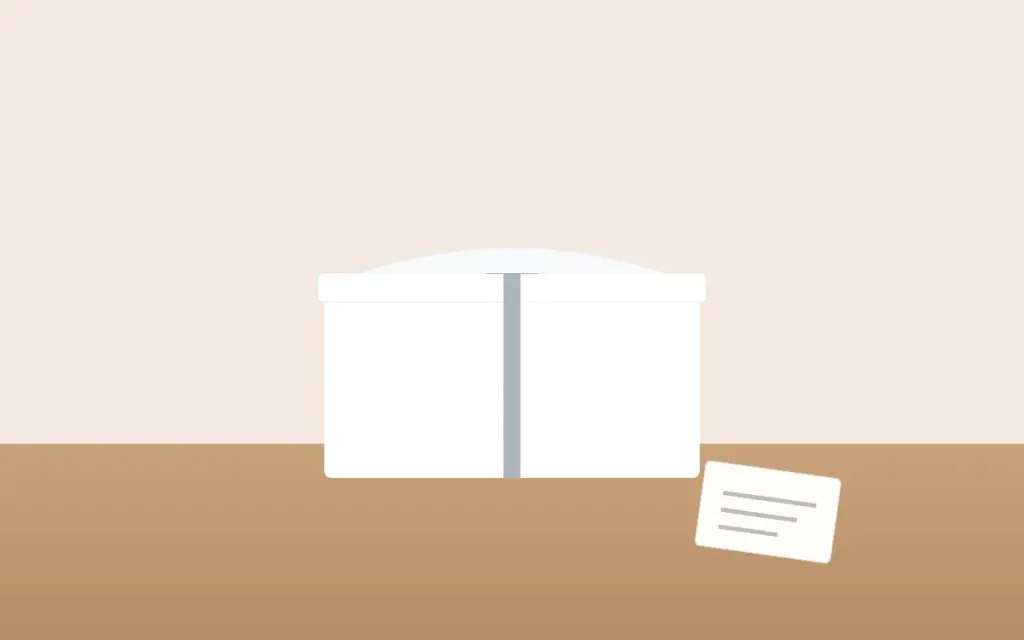
Three weeks before the wedding, there was a knock at the door. A delivery man stood there with a large white box tied with a silver ribbon.
“For Miss Amira,” he said.
Amira opened it with shaking hands. Inside, folded carefully in tissue paper, was the dress. The dress from the window. Soft white fabric. Pearl buttons. Silver embroidery like frost.
On top was a card in an old woman’s careful handwriting.
My dear Amira. Forty years ago, I got married in a borrowed dress that was two sizes too big. I was happy anyway, because I married a good man. But I always promised myself that if I ever had a daughter, she would have the dress of her dreams. Life gave me only sons. So now I have a daughter, and this is my promise kept. With love, your new mother, Salma.
Amira sat down on the floor with the box in her arms and cried. Her mother cried. Even her father, from his chair by the window, wiped his eyes and pretended it was his back hurting.
“So now I have a daughter, and this is my promise kept.”
* * *
But the story does not end there.
A week later, Zaid came to visit with his father. After tea, he asked to speak with Amira’s father alone. When they came out of the room, her father’s face was strange. Surprised. Moved.
Later, Amira found out why.
Zaid had saved money for two years to buy a car. He had asked her father’s permission to use that money instead to pay for the operation on his back. The operation the doctors had recommended for a year. The one the family could never afford.
“A car can wait,” Zaid had told him. “I can take the bus to school. But I want my wife’s father to walk her into our new life without pain.”
When Amira heard this, she went to find Zaid. He was sitting in the yard with his father, drinking tea. She stood in front of him, her eyes full.
“Why didn’t you tell me?” she asked.
Zaid looked embarrassed. He shrugged. “You’d have said no.”
“I would have,” she admitted.
“That’s why,” he said. And he laughed his loud, surprising laugh.
* * *
On the day of the wedding, Amira’s father walked beside her, straight and tall, without his cane, for the first time in a year. She wore the dress with pearl buttons and silver frost. Mrs. Salma sat in the front row, smiling through her tears.
And Zaid, when he saw his bride, forgot to laugh at all.
They never did buy that car. They took the bus together for years, and they always said it was the best thing they never bought.
A marriage is more than two people. It is two families learning to carry each other. The most beautiful gifts are the ones given quietly, by people who remember what it felt like to have nothing.